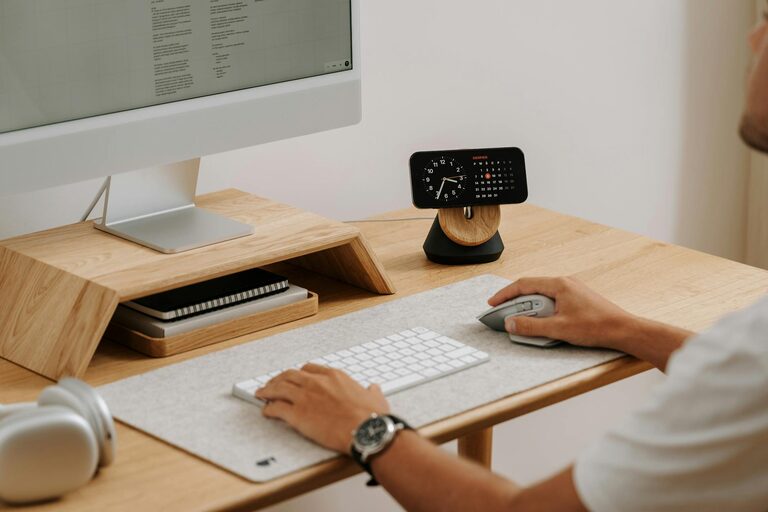
Creating a home office that feels both cozy and conducive to productivity is essential for anyone working remotely or managing tasks at home. A well-designed workspace can improve focus, reduce stress, and make your workday more pleasant. Whether you have a dedicated room or a small corner in your living space, these tips will help you create a home office that balances comfort and efficiency.
Choose the Right Location
The first step in setting up a home office is deciding where to put it. Ideally, pick a quiet spot with minimal distractions. If possible, use a separate room to help mentally separate work from relaxation. If space is limited, a corner of the living room or bedroom can work well too.
– Look for natural light: Position your desk near a window to benefit from daylight, which can boost mood and reduce eye strain.
– Avoid noisy areas: Try to stay away from places with a lot of household traffic, such as the kitchen or near entertainment centers.
– Consider privacy: If video calls are part of your routine, a background without clutter or personal items is best.
Invest in Comfortable Furniture
Your furniture plays a huge role in comfort and productivity. A good chair and desk setup supports your posture and helps prevent aches after long hours of work.
– Ergonomic chair: Choose a chair that supports your lower back and can adjust to your height.
– Desk height: Your desk should allow your elbows to rest at a 90-degree angle while typing.
– Additional furniture: Shelving, filing cabinets, or a side table can help organize supplies and keep clutter off your main workspace.
Optimize Lighting
Proper lighting reduces eye strain and creates a pleasant atmosphere.
– Combine natural and artificial light: Use a combination of daylight and adjustable lamps.
– Task lighting: A desk lamp with adjustable brightness is useful for focused work.
– Avoid glare: Position screens and lights so that reflections don’t interfere with your vision.
Personalize Your Space
Adding personal touches makes your home office inviting and motivating.
– Decorate with plants: Houseplants not only brighten the room but can also improve air quality.
– Artwork and photos: Select items that inspire you without overwhelming the space.
– Color choice: Choose calming colors like soft blues or greens to create a peaceful environment.
Stay Organized
Clutter can cause distractions and stress, so organization is key to maintaining productivity.
– Use organizers: Desk trays, drawer dividers, and cable management tools keep items tidy.
– Regular clean-up: Make it a daily habit to clear your desk at the end of the workday.
– Digital organization: Keep your computer files and emails organized to reduce digital clutter.
Set Boundaries and Routine
A home office should support your work schedule and help you maintain work-life balance.
– Define work hours: Set clear start and end times for your workday.
– Use physical cues: Closing the door or using a room divider can signal work time to others.
– Take breaks: Use a timer to remind yourself to stand, stretch, and rest your eyes regularly.
Use Technology Wisely
The right technology can make your work smoother and more enjoyable.
– Reliable internet: Ensure you have a stable and fast connection.
– Productivity tools: Use apps and software for task management and communication.
– Minimize distractions: Turn off non-essential notifications during work hours.
Incorporate Comfort Elements
Comfort helps keep you engaged and reduces fatigue.
– Temperature control: Use a fan, heater, or thermostat to maintain a comfortable room temperature.
– Soft textiles: A cozy rug, cushions, or a blanket can add warmth and comfort.
– Refreshments nearby: Keep a water bottle or tea within reach to stay hydrated.
Final Thoughts
Designing a cozy and productive home office is about balancing function and comfort. By choosing the right spot, investing in ergonomic furniture, optimizing lighting, and keeping your space organized and personalized, you create an environment that fosters good work habits and wellbeing. Remember, your home office is unique to your needs—feel free to adapt these tips to what works best for you.
Creating a pleasant workspace not only helps you get more done but can also make your work-from-home experience more enjoyable every day.