Creating an organized and comfortable workspace at home is essential for staying productive and motivated. A cluttered or poorly arranged area can quickly lead to distractions, stress, and fatigue. Whether you’re working remotely, studying, or managing household tasks, these simple tips will help you design a workspace that supports your goals while keeping comfort in mind.
Why Organize Your Home Workspace?
An organized workspace does more than just look good—it enhances your focus, reduces time wasted searching for things, and creates a positive environment to work in. When your essentials are within reach and your environment feels welcoming, it’s easier to maintain motivation and complete tasks efficiently.
Choose the Right Location
Find a Quiet, Dedicated Spot
Select a corner or room with minimal noise and foot traffic. Avoid high-traffic areas like the kitchen or living room if possible, as these are prone to distractions. Having a dedicated space helps switch your brain into “work mode.”
Consider Natural Light
Natural light boosts mood and energy. Position your desk near a window if you can, but avoid glare on your screen. If natural light isn’t an option, invest in good quality, adjustable lighting that reduces eye strain.
Declutter and Prioritize Essentials
Clear the Surface
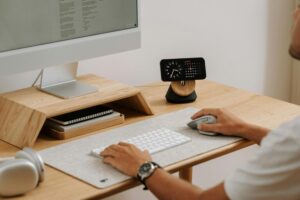
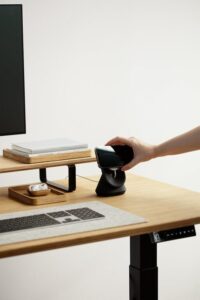
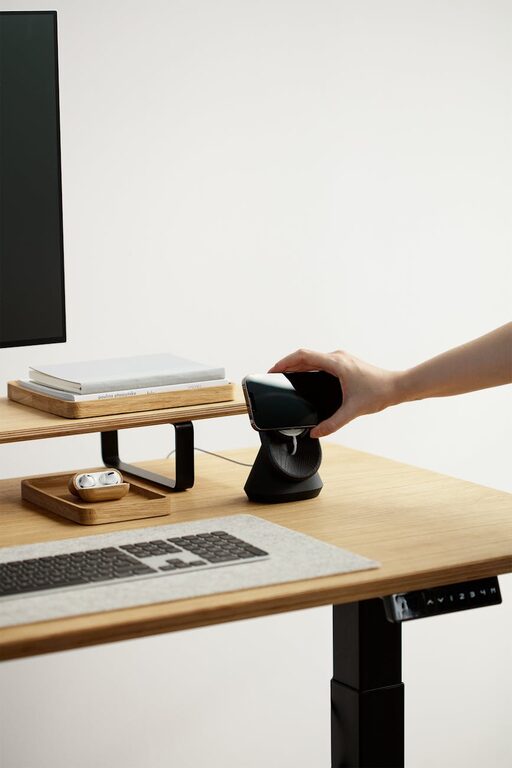
Start by removing everything from your desk that you don’t use daily. Keeping only the essentials—your computer, notebook, planner, or preferred tools—creates a neat and inviting workspace.
Use Storage Solutions
Invest in shelves, drawers, or desk organizers to store extra items like stationery, chargers, and documents. Label storage bins for faster access. This keeps clutter off your desk and makes your workspace easier to maintain.
Organize Your Digital Space
Manage Files and Emails
A disorganized digital workspace can be just as distracting. Create folders for important documents and regularly clear your desktop. Set specific times to check and respond to emails to avoid constant interruptions.
Use Virtual Tools
Calendar apps, task managers, and note-taking tools can help you stay organized and on schedule. Choose apps that sync across your devices for easy access anywhere.
Ergonomics Matter
Invest in a Comfortable Chair
A supportive chair keeps your back aligned and reduces fatigue. Make sure your feet rest flat on the floor or on a footrest, and avoid sitting for long periods without breaks.
Adjust Your Desk and Monitor Height
Your monitor should be at eye level to prevent neck strain. Your forearms should be parallel to the floor when typing. Ergonomic accessories like keyboard trays or laptop stands can improve posture.
Personalize Your Space
Add Plants or Art
Small touches like a potted plant or a piece of art make your workspace feel inviting and calm. Plants, in particular, can improve air quality and add a sense of life to your environment.
Keep Water and Healthy Snacks Nearby
Staying hydrated and well-nourished supports concentration. Keep a water bottle and some healthy snacks within reach to minimize interruptions.
Create a Routine for Tidying Up
End Each Day by Resetting
Take a few minutes to clear your desk and organize supplies before finishing your workday. This simple habit helps you start fresh the next morning.
Weekly Deep Clean
Once a week, do a thorough cleaning and reorganizing. Check supplies, remove unnecessary items, and adjust your setup to suit any new needs.
Tips for Staying Focused
Set Boundaries
Inform household members of your working hours to minimize interruptions. Use noise-cancelling headphones if needed.
Take Regular Breaks
Use techniques like the Pomodoro method—work for 25 minutes, then take a 5-minute break. Short breaks help reduce fatigue and increase overall productivity.
Conclusion
Organizing your home workspace doesn’t have to be complicated. By selecting the right spot, decluttering regularly, focusing on ergonomics, and creating a pleasant atmosphere, you can turn any space into a productive, comfortable area. These simple steps will help you work more efficiently and enjoy your time at your desk. Start small, make changes gradually, and watch your productivity and comfort improve.